
Key Facts
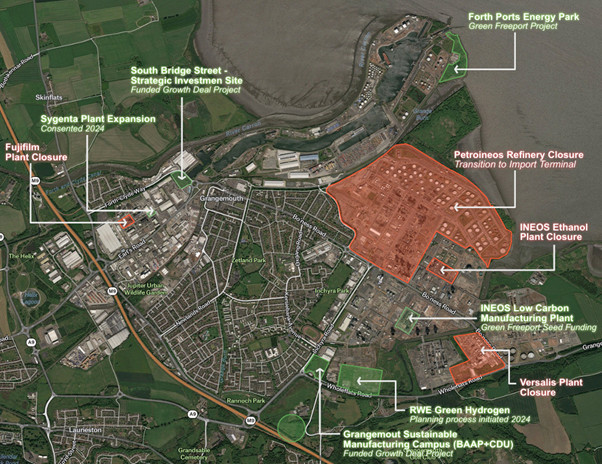
- Location: Grangemouth, Falkirk area, on the south bank of the Firth of Forth, Central Scotland
- Landowners: CalaChem, Falkirk Council, Forts Ports, INEOS, PetroIneos
- Planning authority: Falkirk Council
- Site type: Port, petrochemical and industrial cluster
- Primary sectors: chemicals, fuels, logistics, advanced manufacturing
- Tax sites: 233 Ha / 575 acres in parcels ranging 2.5 – 50 – 160 acres
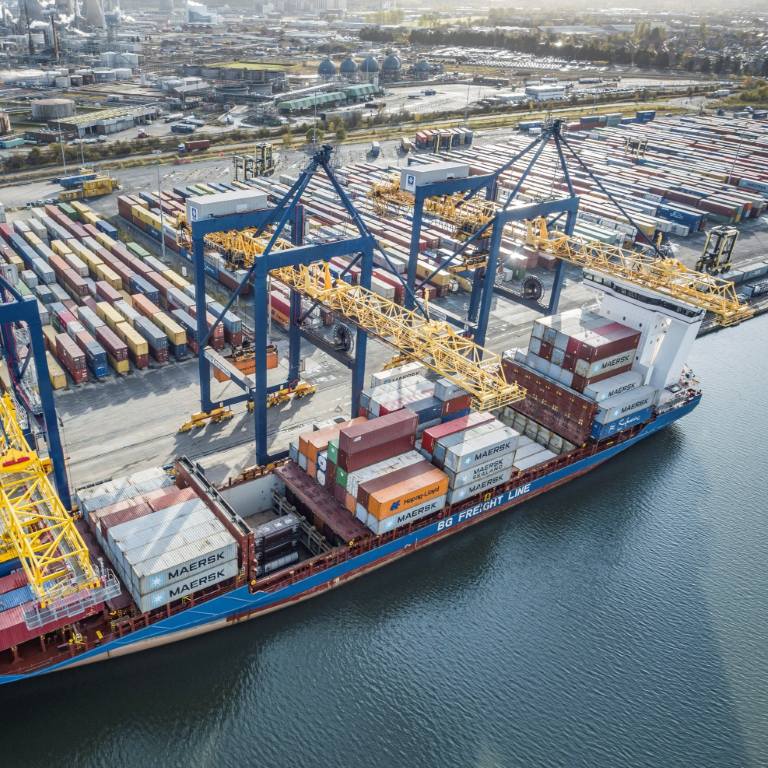
- Port status: Scotland’s largest container port and a major bulk liquids port
- Strategic role: National hub for fuel supply, chemicals and freight logistics
- Utilities: Established access to high-capacity power, gas, water and industrial services. Suited for sectors with high power, steam, and aqueous waste requirements.
Tax site map
Click the button below to view the Grangemouth boundary map
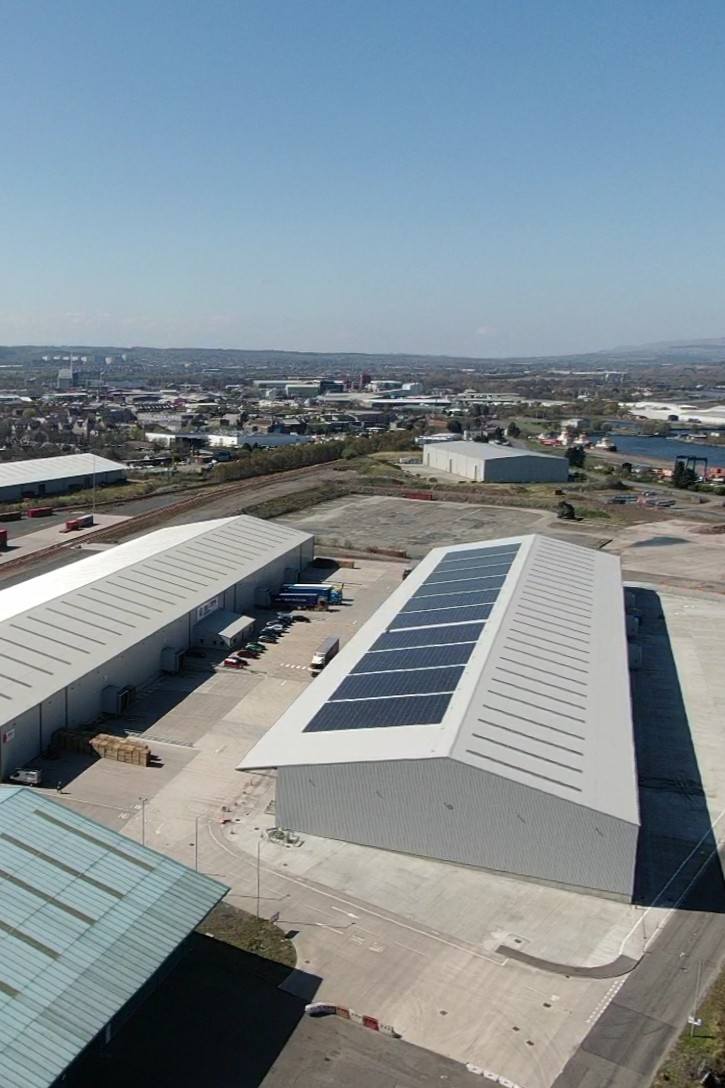
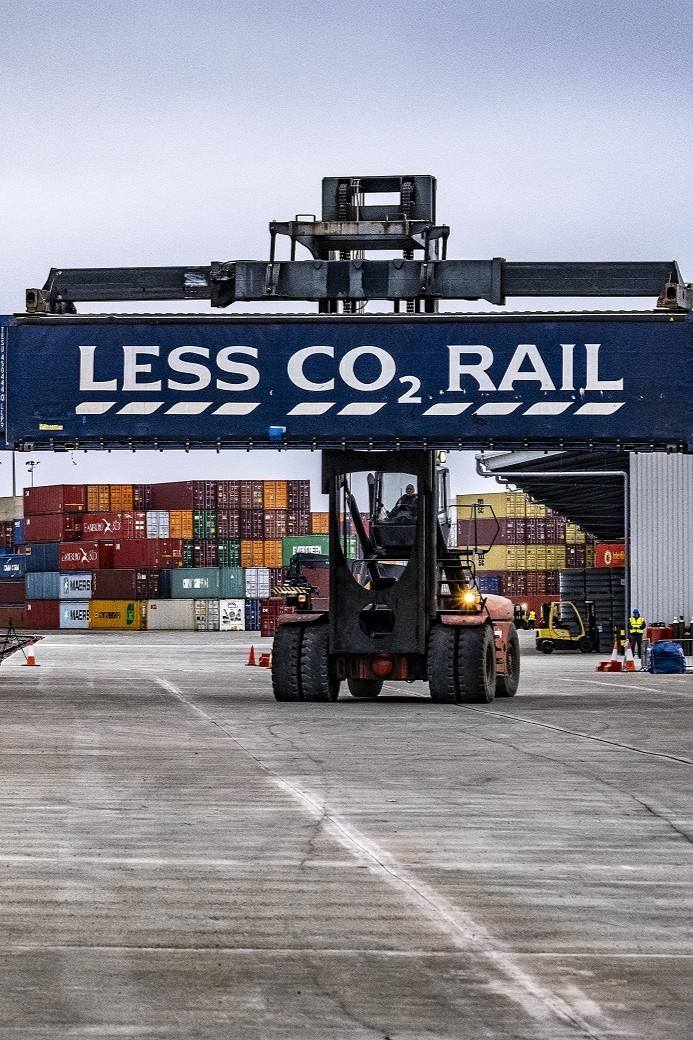
Location
A strategic location:
Grangemouth sits at the heart of Scotland’s Central Belt on the south shore of the Firth of Forth, approximately 40 km west of Edinburgh.
- Road: Direct access to the M9 motorway linking Edinburgh, Stirling and the wider Scottish motorway network, with connections to the M8 corridor between Edinburgh and Glasgow
- Rail: Grangemouth rail freight terminal connects to the national rail network via the Falkirk area, linking to the East Coast and West Coast Main Lines
- Rail Freight: Established intermodal freight terminal supporting container movements between the port and UK inland logistics hubs
- Port/marine: One of Scotland’s largest commercial ports, handling containers, bulk cargo and energy products with regular shipping services to European and global markets
- Canal: Immediate proximity to the eastern terminus of the Forth & Clyde Canal linking the Forth to the west coast of Scotland
- Air: Approximately 25–35 minutes by road to Edinburgh Airport and around 40 minutes to Glasgow Airport
- Grangemouth’s central location allows access to a large regional workforce across Falkirk, Edinburgh, Glasgow and the wider Central Belt, while supporting major industrial clusters in energy, chemicals, logistics and advanced manufacturing. Seventypercent of Scotland’s population within a one-hour drive.
Earls Road / CalaChem
CalaChem site lies on the western side of the Grangemouth industrial complex. Historically used for chemical manufacturing, the site benefits from established industrial utilities and cleared sites. It has opportunities for investment in alternative fuels, chemical recycling, chemicals and advanced process manufacturing.
It is a lower tier COMAH site, authorised to handle a variety of hazardous chemicals connected to the Calachem own Effluent Treatment Plant. Available plots are serviced by a network of utility gantries supplying:
- Intermediate (IP) and low pressure steam (LP) – (Energy from Waste & Back Up Boilers)
- Compressed Air.
- Electricity – (Energy from Waste & Grid).
- Piped Nitrogen (directly from BOC).
- Water
- Weak and strong stream effluent waste
Port of Grangemouth / Forth Ports
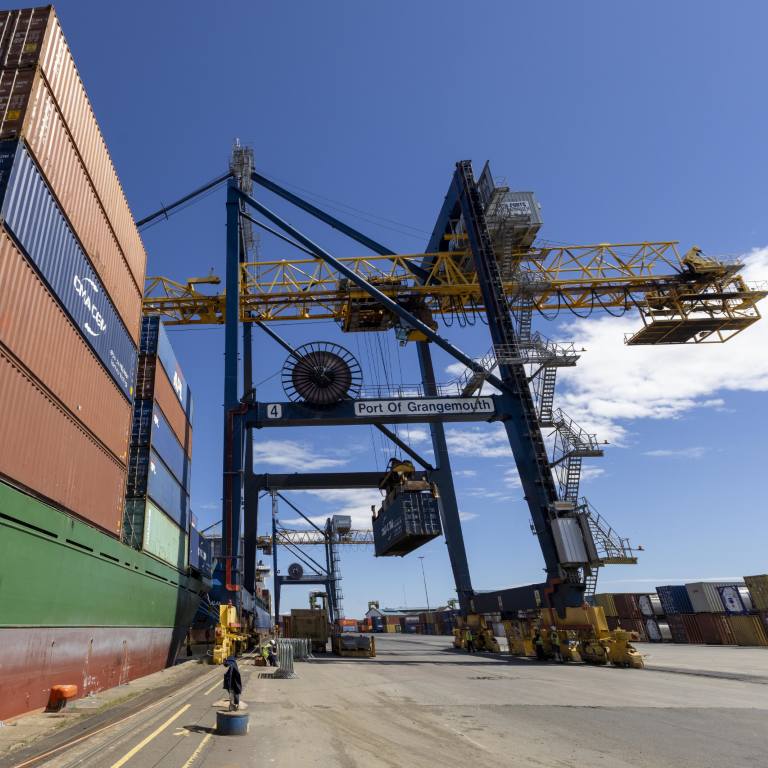
Grangemouth is home to Scotland’s largest container terminal and reefer facility handling over 250,000 TEUs each year. The port works with all major deep sea shipping lines, as well as European short sea, multimodal and tank operators. This broad range of customers is serviced by 7 weekly feeder vessel calls linking Scotland with worldwide deep sea markets and European and Baltic short sea destinations.
Forth Ports provides cost effective cargo handling, warehousing, rail, storage and port centric solutions to customers who want to move goods efficiently. They support a range of industries including food and drink, chemicals, agriculture, recycling, FMCG, construction, oil and gas and renewables. All of which are serviced via dedicated and multiuser facilities which cater for containers, bulks, forest products, liquids and project cargoes.
There is unused brownfield areas for alternative fuels, manufacturing, warehousing and logistics.
Project Willow / INEOS
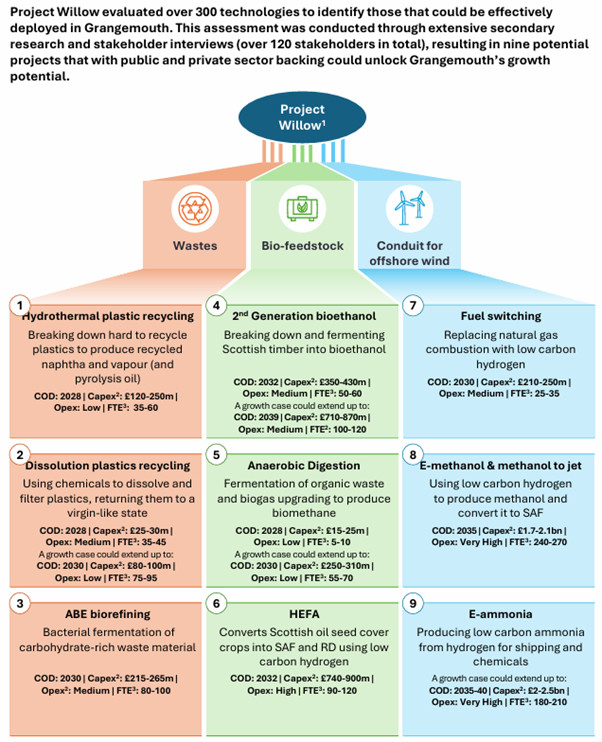
Project Willow was commissioned by PetroIneos and funded by both the UK and Scottish governments to evaluate Grangemouth’s potential. The project identified nine key investment areas within the categories of wastes, bio-feedstock, and support for off-shore wind. There have been several key phases and reports.
Grangemouth Industrial Cluster Strategy
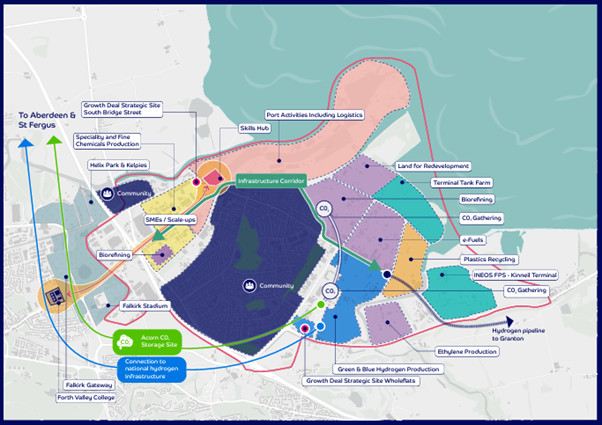
Arup coordinated production of the Grangemouth Industrial Cluster Strategy aims to transform Grangemouth into a globally competitive, net zero industrial cluster that supports inclusive economic growth and a just transition.
It provides a roadmap for sustainable transformation, aligning industry, community, and government to deliver clean energy, advanced manufacturing, and investment-led regeneration, ensuring Grangemouth remains central to Scotland’s energy security and prosperity.
Land and Infrastructure Baseline Review
Ironside Farrar established a detailed baseline review of key land and infrastructure assets in the Grangemouth cluster. This includes physical site data, geotechnical and environmental information, utility services, flood risk information, and spatial mapping to guide future planning and decision making.
Ref. Grangemouth Land and Infrastructure Baseline Review | Scottish Enterprise